
Must-Have Photography Accessories for Expeditions
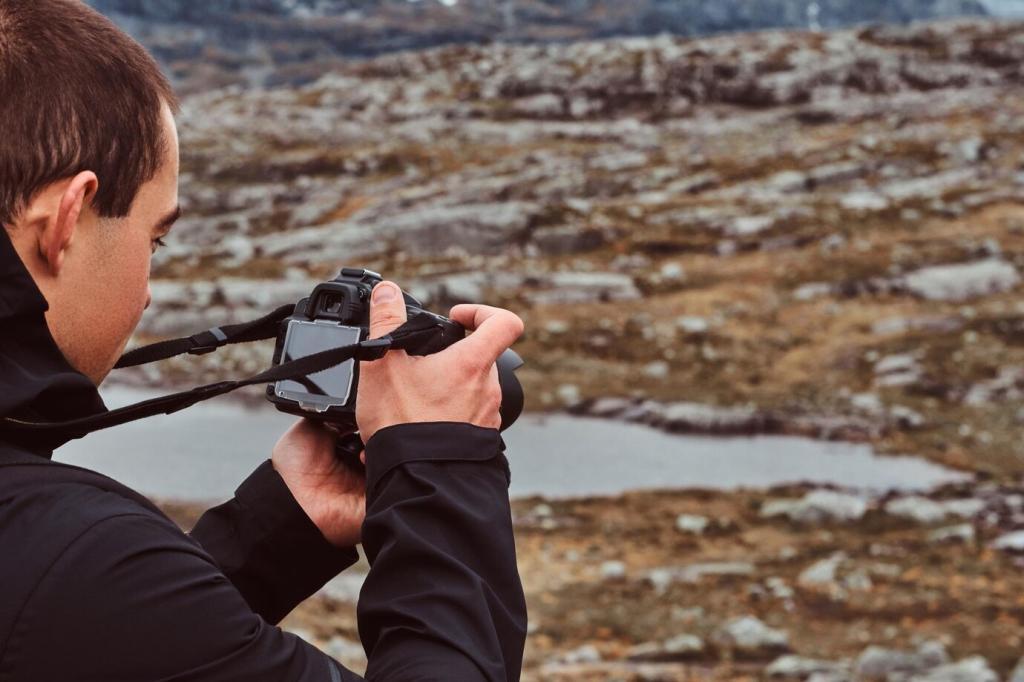
Chosen theme: Must-Have Photography Accessories for Expeditions. Welcome to a field-tested guide to gear that protects your camera, powers your creativity, and keeps you shooting when the terrain gets rough and the weather turns unpredictable.
Carry Systems Built for the Wild
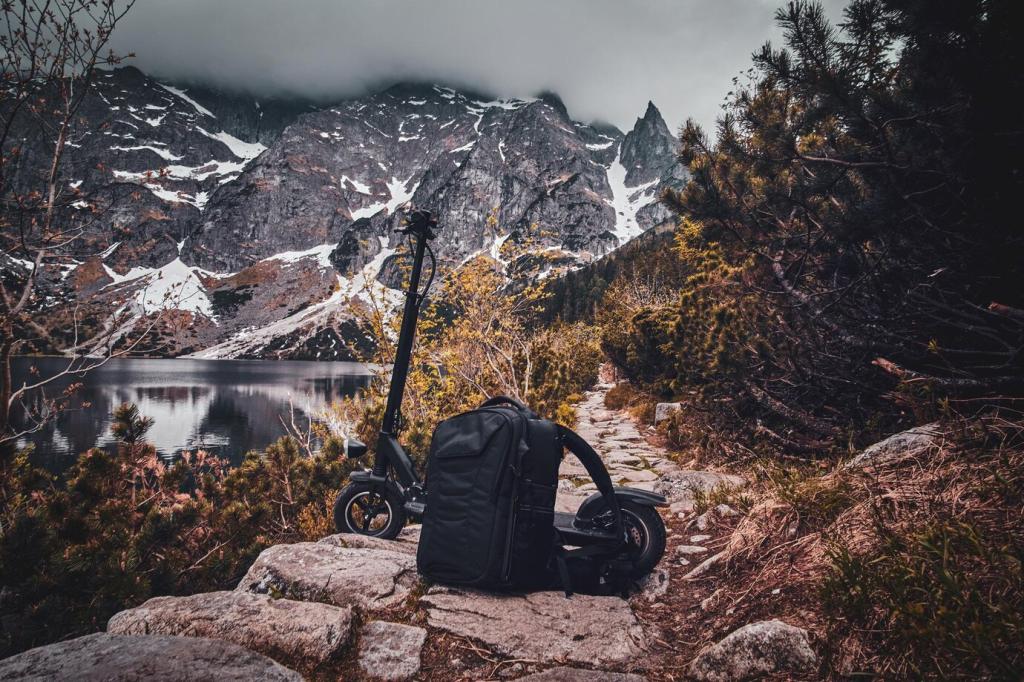
A weather-resistant backpack with back-panel access keeps your kit clean when you set it down on snow, mud, or scree. On a windy ridge in Torres del Paine, back access saved my gear from grit and gave me a fast lens change between gusts.
Carry Systems Built for the Wild
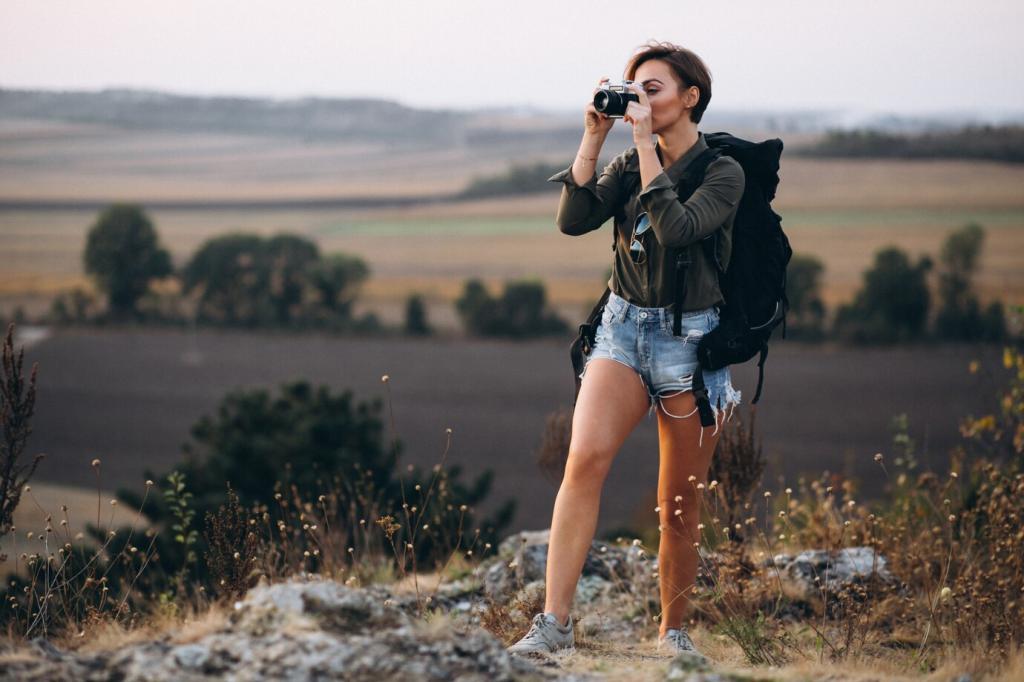
A chest harness distributes weight and prevents camera swing during scrambles, while strap keepers tame loose ends. The result is quieter movement for wildlife encounters and fewer missed frames, especially when climbing ladders, wading streams, or navigating tight canyon slots.
Reliable Power, Wherever You Camp
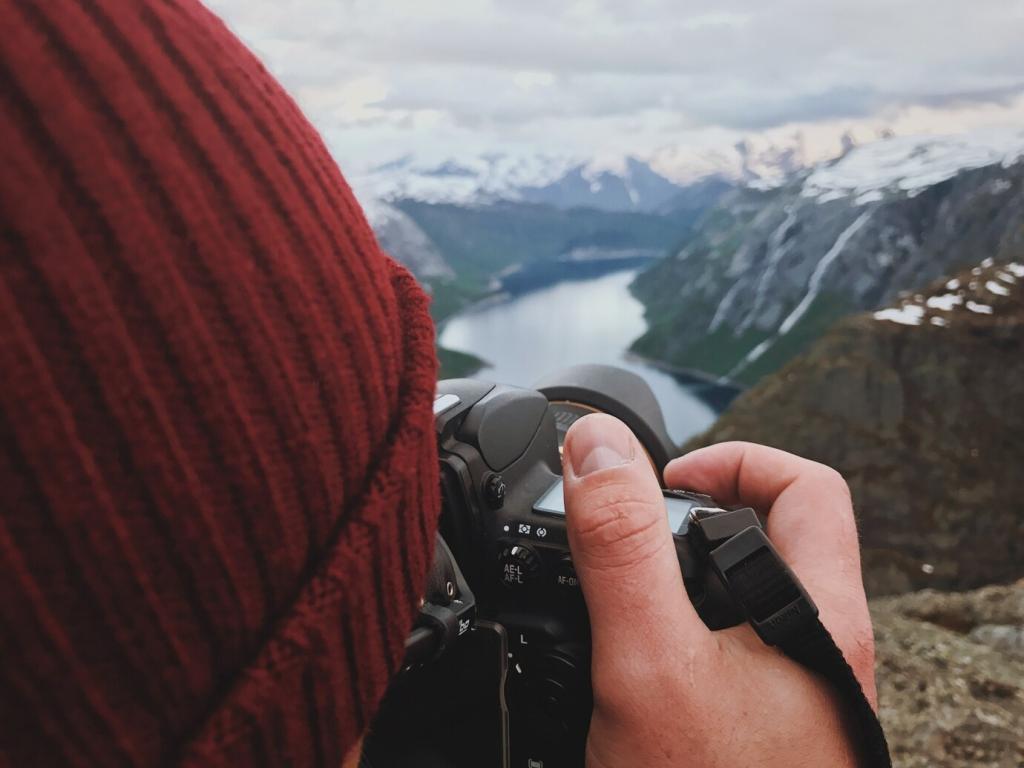
Carry more spares than feels reasonable, and store them close to your body to preserve charge in freezing conditions. Rotating warm batteries into the camera extends shooting time. Label sets by day to track usage and identify weak cells before they fail.
Data Integrity and Backup in the Field
Use high-speed, reputable cards sized to limit catastrophic loss per card. If your camera supports dual slots, write RAW to both for redundancy. I keep a small set of spare cards sealed and separate from the main kit for true emergencies.
A shock-resistant, water-resistant SSD with hardware encryption protects data in rough travel. Back up nightly, verify a few files, and store the drive in a different pocket than your camera bag. Separation prevents a single mishap from wiping your work.
Use a color-coded card wallet with a strict orientation system: fresh cards face up, exposed cards face down. Add date labels and location notes. Each evening, spot-check backups and log file counts so you catch issues before moving camp.
Stability When the Ground Fights Back
A lightweight carbon-fiber tripod dampens vibrations without punishing your knees on steep ascents. A compact ball head speeds composition changes. Hang a small sandbag or weigh the center column with your pack to stabilize on uneven ledges and icy crust.
Filter Kit for Total Control of Light
A circular polarizer cuts surface glare on lakes, deepens skies, and reveals foliage detail after rain. I’ve watched a washed-out noon scene gain texture and depth with a twist of the ring, turning a harsh lunch-hour frame into a keeper.
Filter Kit for Total Control of Light
Solid ND filters slow shutter speeds for silky water and cloud trails under bright sun. Pack a 3-stop for flexibility and a 6–10 stop for drama. Keep them in a slim case so you can deploy them quickly when the wind eases.
Remote Control, Timing, and Location
Intervalometer and Remote Shutter Releases
A cabled or wireless remote prevents vibrations during long exposures and macro work. Intervalometers manage star trails, timelapses, and self-portraits with precision. I’ve triggered sequences from a sleeping bag while aurora curtains rippled above the ridge.
Wireless Tethering for Proofing on Tablets
Small wireless transmitters or built-in Wi‑Fi let you proof focus and exposure on a tablet without opening the bag. This saves battery and time in cold wind. It’s also a great way to share previews with teammates around the camp stove.
GPS Loggers for Accurate Geotagging
A dedicated GPS logger or phone app that records GPX tracks helps geotag images later. Matching timestamps makes cataloging efficient and storytelling richer. I’ve retraced routes months afterward, grateful for precise coordinates when writing captions and maps.
Cleaning and On-the-Spot Maintenance
A rocket blower removes loose dust before it scratches. For stubborn specks, carry the correct sensor swabs and fluid, and practice at home first. On a desert trek, a quick, careful clean rescued sunset frames from a persistent spot.
Compact Lighting and Visibility After Dark
Headlamps with Red Modes for Night Vision
A headlamp frees your hands and the red mode preserves night vision during star work. I’ve adjusted focus and filters without blinding partners, then switched to low white to pack out safely on crumbling talus after moonrise.
Portable LED Panels for Fill and Macro
Credit-card-sized LED panels add gentle fill for portraits at camp or controlled highlights in macro scenes. Dimmable output and adjustable color temperature keep skin tones natural. Slip one into a side pocket and you’ll reach for it more than expected.
Speedlight Diffusers and Small Modifiers
A compact diffuser softens flash for wildlife documentation and camp storytelling. With a small folding bounce card or mini softbox, you can shape light quickly. The combo weighs little yet transforms harsh edges into inviting, readable detail.